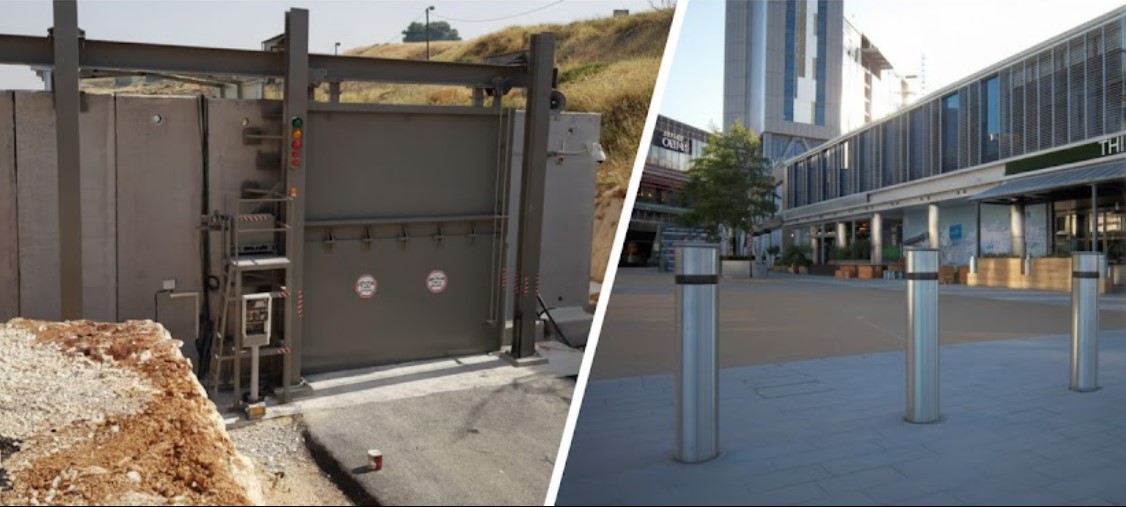


Vehicle intrusion prevention represents a fundamental perimeter security requirement for public spaces, commercial facilities, and critical infrastructure. A runaway vehicle—whether driven by an impaired driver, mechanical failure, or deliberate hostile intent—can cause catastrophic damage to property and personnel.
Fixed bollards address this threat through simple, elegant design: reinforced vertical posts, permanently installed into concrete foundations, positioned to physically prevent vehicle access to protected zones. Unlike active barriers requiring operational maintenance or electronic systems vulnerable to failure, fixed bollards provide passive, constant protection with minimal maintenance overhead.
Fixed Bollard Design and Installation
Fixed bollards are engineered with several critical design characteristics:
Material and Construction: Most fixed bollards are fabricated from high-grade steel (stainless steel 304 for corrosion resistance), designed to withstand direct vehicle impact without failure or displacement.
Depth of Installation: Critical to bollard effectiveness is adequate installation depth. Standard specifications call for 3–4 feet of below-grade installation into reinforced concrete footings, ensuring the bollard remains anchored under vehicle impact forces.
Spacing and Geometry: Bollards are typically spaced 3–5 feet apart, preventing vehicles from passing between bollards. Entrance points require tighter spacing to eliminate penetration pathways. Spacing and positioning must account for vehicle approach angles and maintain adequate visibility for security personnel.
Aesthetic Integration: Modern fixed bollards integrate seamlessly with architectural design through custom color options. Fixed bollards need not appear purely utilitarian; thoughtful design can enhance rather than detract from facility aesthetics.
Permanent Protection: Why Fixed Bollards Excel
Fixed bollards offer distinct advantages as permanent security infrastructure:
Passive, Maintenance-Free Protection: Once installed, fixed bollards require no operational maintenance, electrical power, or ongoing system monitoring. They function 24/7 without requiring security personnel attention or mechanical service. This passive reliability makes fixed bollards exceptionally cost-effective over facility lifespans spanning decades.
No Single-Point Failure: Electronic gates, boom barriers, or retractable bollards present single points of failure—electrical system fault, motor malfunction, or control system failure can disable the entire barrier. Fixed bollards cannot fail; they cannot be disabled or bypassed through technical means.
Psychological Deterrent: Visible fixed bollards communicate clearly that vehicle access is prevented and controlled. This visibility often deters unauthorized access attempts entirely, as potential intruders recognize the futility of penetration attempts.
Compliance with Security Standards: Government facilities, military installations, and critical infrastructure increasingly require verified perimeter protection. Fixed bollards engineered to crash-rating standards provide objective evidence of compliance with security requirements.
Scalability and Flexibility: Fixed bollards can be deployed in diverse configurations—perimeter protection, individual entrance control points, pedestrian zone separation—adapting to specific facility requirements.
Applications: Where Fixed Bollards Provide Critical Protection
Public Spaces and Pedestrian Zones: Parks, plazas, and pedestrian shopping areas use fixed bollards to prevent vehicles from entering pedestrian-only zones. This protects pedestrians while maintaining open, welcoming public spaces.
Government Building Perimeters: Federal, state, and local government buildings deploy fixed bollards around facility perimeters to prevent unauthorized vehicle approach.
Storefronts and Retail Facilities: Street-level storefronts use fixed bollards to prevent vehicles from crashing through display windows or entering customer areas. This protects both merchandise and customer safety while maintaining shop visibility.
Loading Docks and Warehouse Areas: Industrial facilities use fixed bollards to prevent vehicle collision with building structures or create separation between vehicle loading areas and pedestrian zones.
Parking Lot Perimeter Protection: Multi-story parking structures use fixed bollards to prevent vehicles from exiting upper levels or accessing undesignated areas.
Corporate Office Complexes: High-profile corporate facilities deploy fixed bollards to establish clear vehicle access boundaries, preventing unauthorized vehicle approach.
University and Academic Campus Perimeters: Academic institutions use fixed bollards to restrict vehicle access to core campus areas while maintaining pedestrian accessibility.
Embassies and High-Security Facilities: Diplomatic and high-security installations rely on fixed bollards as primary perimeter security infrastructure.
Spacing and Placement Best Practices
Effective fixed bollard deployment requires careful geometric planning:
Standard Spacing: Most applications use 3–5 feet spacing, preventing passage of standard vehicles (maximum vehicle width: ~2.5 meters). Tighter spacing (2–3 feet) may be required for high-security applications or smaller vehicle prevention.
Entrance Point Reinforcement: At controlled entry points (gates, monitored access), bollard spacing may be tighter to eliminate bypass pathways around active barriers.
Perimeter Continuity: Fixed bollard lines should be continuous without gaps enabling vehicle passage. Any intentional opening (for emergency vehicles or personnel) requires active barrier control (gates, retractable bollards) at that point.
Visibility and Sightlines: Bollard placement must maintain clear sightlines for security personnel and surveillance cameras. Bollards should not create visual blind spots enabling unauthorized vehicle approach.
Accessibility Compliance: Bollard placement must maintain accessibility for disabled pedestrians, wheelchairs, and assistance animals. Spacing and arrangement should not create barriers to legitimate pedestrian movement.
Vehicle Approach Angle Consideration: Bollard geometry should account for potential vehicle approach angles. Diagonal arrangements or chevron patterns can prevent angled approach bypasses.
Material Selection: Steel vs. Concrete Bollards
Material choice influences appearance, durability, and maintenance requirements:
Steel Bollards:
- Advantages: Sleek appearance, customizable colors, integration with architecture, lower cost
- Disadvantages: Corrosion risk in coastal/humid environments (mitigated through epoxy coating or stainless steel), potential visual impact if not aesthetically integrated
- Best for: Retail, commercial, or aesthetically-sensitive applications where appearance matters
Stainless Steel Bollards (Premium):
- Advantages: Superior corrosion resistance, sophisticated appearance, long service life, minimal maintenance
- Disadvantages: Higher cost, potential surface scratching visible on polished finishes
- Best for: High-end commercial, government facilities, coastal environments, facilities prioritizing aesthetics
BGI Engitech Fixed Bollard Solutions
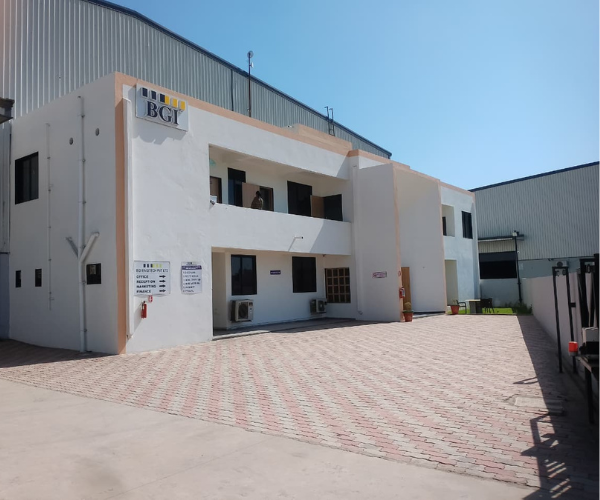
BGI manufactures fixed bollards engineered to international standards and customized for diverse facility requirements. Our solutions integrate aesthetically with contemporary architecture while providing verified vehicle intrusion prevention.
Conclusion
Fixed bollards represent a fundamental security infrastructure element for modern facilities. Through simple, engineered design, passive operation, and minimal maintenance requirements, fixed bollards provide enduring vehicle intrusion prevention suitable for public spaces, commercial facilities, and critical infrastructure. For facility managers prioritizing long-term, cost-effective security, fixed bollards merit consideration as part of comprehensive perimeter protection strategy.