

Industrial facilities managing hazardous materials, restricted manufacturing areas, or high-value inventory require sophisticated personnel access control. Unlike office environments where security concerns focus primarily on confidential data, industrial facilities must prevent both unauthorized access and accidental entry into dangerous zones containing machinery, chemical hazards, or security-sensitive operations.
Full-height turnstiles address these requirements through robust mechanical design, high-security credential integration, and physical barriers preventing tailgating or bypass. These industrial-grade access control devices provide verified personnel authentication within space and throughput constraints typical of manufacturing facilities and industrial complexes.
Full-Height Turnstile Architecture
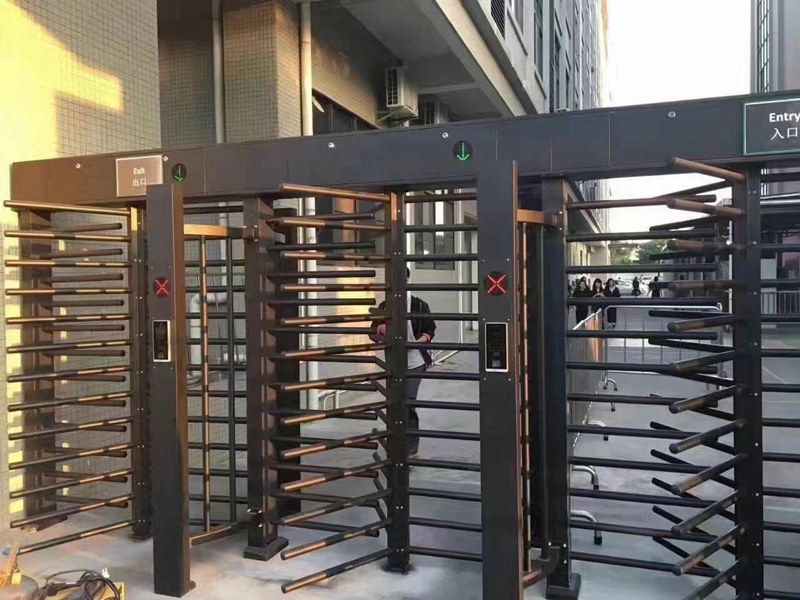
Full-height turnstiles differ fundamentally from waist-height or tripod varieties through physical construction:
Full-Height Design: Vertical posts extend from floor to ceiling (typically 2.1–2.4 meters), preventing personnel from climbing over or ducking under the barrier. This physical completeness eliminates workarounds common with lower-height designs.
Rotary or Swing Gate Architecture: Most full-height turnstiles employ either rotating arms (similar to tripod design but full-height) or swing gates. Rotating designs support rapid succession passages; swing gates accommodate larger personae or wheelchair access.
Heavy-Gauge Construction: Full-height turnstiles use reinforced steel or stainless steel frameworks supporting substantial mechanical loads over decades of operation in industrial environments.
Integrated or External Credential Readers: Full-height designs accommodate both integrated credential readers (RFID, biometric) mounted directly on the gate unit or external readers positioned at appropriate heights for convenient credential presentation.
Technical Specifications and Performance Metrics
Industrial facilities evaluate full-height turnstiles based on several performance criteria:
Opening/Closing Speed: Modern full-height turnstiles complete passage cycles in 1.5–3.0 seconds, supporting 20–30 personnel per minute. This throughput is lower than smaller tripod designs but remains adequate for typical industrial personnel flows.
Anti-Tailgating Capability: Integrated motion sensors and barrier control logic prevent multiple personnel from passing with a single credential authorization. Sophisticated designs include body-position sensors detecting when personnel are attempting unauthorized following.
Bi-Directional Operation: Advanced models support entry and exit through the same unit with configurable restrictions. Temporal logic may restrict exit until proper end-of-shift procedures are followed, preventing accidental security zone departures during shift midpoints.
Mechanical Durability: Industrial environments expose equipment to dust, humidity, temperature extremes, and chemical exposure. Full-height turnstiles should feature sealed motor compartments, corrosion-resistant components, and service intervals appropriate for harsh environments.
Emergency Override: Manual override mechanisms enable authorized personnel to open gates during emergencies or system faults without requiring special tools.
Credential Integration and Access Control
Industrial full-height turnstiles support diverse credential and authentication methods:
RFID Card Systems: Employees present proximity RFID cards, enabling contactless authentication. Integration with industrial access control systems enables real-time employee roster management, revocation of compromised credentials, and audit trail logging.
Biometric Authentication: Advanced facilities deploy fingerprint or facial recognition readers integrated into full-height turnstile units. Biometric authentication eliminates credential theft or loss risks while providing unambiguous employee identification.
PIN Code Entry: Keyboard-equipped turnstiles enable PIN-based authentication, supporting facilities without centralized RFID infrastructure or where backup authentication is desired.
Mobile Credentials: Modern industrial facilities support smartphone-based QR code or NFC authentication, enabling employees to use mobile devices as credentials.
Multi-Factor Requirements: High-security industrial areas require combination authentication—RFID card plus PIN code, or biometric plus temporal restriction. Multi-factor requirements prevent unauthorized access through single-credential compromise.
Integration with Facility Systems: Full-height turnstiles</a> should integrate with facility-wide access control systems, enabling centralized policy management, real-time monitoring, and comprehensive audit trail reporting.
Applications Across Industrial Sectors
Manufacturing and Assembly Plants: Factory entrance control, restricted production floor access, secure warehouse areas.
Pharmaceutical Manufacturing: Personnel access control to cleanrooms or restricted production areas with contamination control requirements.
Chemical and Petrochemical Facilities: Secure access to hazardous material storage, production areas requiring specialized training.
Data Centers and Server Facilities: Personnel access control to restricted server rooms, network operations centers, or secure facilities containing sensitive infrastructure.
Renewable Energy Facilities: Wind farms, solar installations, or battery storage facilities controlling maintenance personnel access to electrical hazard areas.
Government and Defense Facilities: Restricted area access control, personnel movement tracking, and multi-factor authentication to sensitive installations.
Utilities and Telecommunications: Power stations, water treatment facilities, and telecommunications infrastructure protecting critical operations from unauthorized personnel access.
Design Considerations for Industrial Deployment
Successful industrial turnstile implementation requires attention to facility-specific factors:
Personnel Throughput Analysis: Calculate expected daily personnel flows across access control points. Identify peak-arrival windows and determine multi-lane vs. single-lane requirements. Full-height designs typically support 20–30 personnel per minute; high-volume facilities may require parallel multi-lane installations.
Space Constraints: Typical full-height turnstile installations require 900–1,200 mm width and 800–1,000 mm depth. Narrow production floor aisles or limited installation space may require custom configurations or alternative barrier types.
Climate and Environmental Conditions: Industrial facilities often feature temperature extremes, humidity, dust, or chemical exposure. Turnstile material selection and enclosure ratings must accommodate specific facility environmental conditions. Desert facilities may require dust filtration; coastal industrial sites require corrosion-resistant materials.
Credential Strategy Alignment: Industrial access control philosophy should align with credential type. RFID cards offer familiarity and low cost; biometric systems provide enhanced security; mobile credentials support modern workplace flexibility but require technology infrastructure.
Emergency Procedures: Establish protocols for manual turnstile operation during power failures, system faults, or emergency evacuation. Training for security personnel and facility management ensures safe emergency response.
Integration Architecture: Full-height turnstiles should integrate with centralized facility access control systems enabling coordinated policy enforcement, real-time monitoring, and comprehensive audit reporting.
Maintenance and Service Considerations
Industrial-grade equipment demands attention to maintenance and service:
Preventive Maintenance: Scheduled inspections (6–12 month intervals) of mechanical components, motor function, sensor operation, and control system health enable early identification of wear or potential failures.
Modular Component Design: Full-height turnstiles should feature modular mechanical components enabling field replacement without gate disassembly or extended downtime.
Service Documentation: Manufacturers should provide comprehensive service documentation, diagnostic procedures, and spare parts availability enabling rapid response to equipment faults.
Spare Parts Availability: Critical components (motors, solenoids, control boards) should be readily available for emergency replacement. Manufacturers should guarantee spare parts availability for 5–10+ years post-manufacture.
Vendor Support: Select vendors offering responsive technical support, on-site repair capability, and training programs for facility personnel.
Cost-Benefit Analysis for Industrial Deployment
Industrial full-height turnstile investment should be evaluated across multiple dimensions:
Security Enhancement: Reduced unauthorized access incidents, improved audit trail documentation, and enhanced personnel tracking justify investment in sophisticated access control.
Operational Efficiency: Rapid, automated credential verification reduces security personnel staffing requirements and eliminates manual access decisions.
Liability Reduction: Documentation of controlled personnel movement in restricted areas provides liability protection if incidents occur.
Compliance Support: Industries subject to regulatory requirements (pharmaceutical manufacturing, nuclear facilities, financial institutions) benefit from turnstile-provided audit trails and access documentation.
Long-Term Value: Modern industrial turnstiles provide 15–20+ year service lives with reasonable maintenance costs, representing strong long-term investment.
BGI Engitech Industrial Full-Height Turnstile Solutions
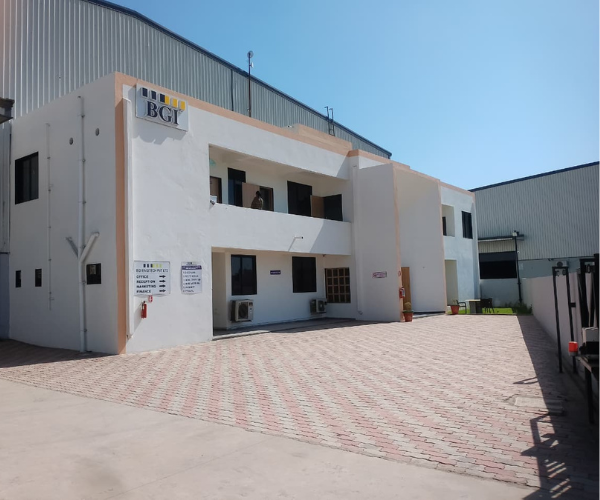
BGI manufactures</strong> industrial-grade full-height turnstiles engineered for manufacturing, pharmaceutical, and critical infrastructure applications. Our systems feature:
- Heavy-gauge stainless steel construction for harsh industrial environments
- Integration with RFID, biometric, and mobile credential authentication
- Sophisticated anti-tailgating and fail-safe mechanisms
- Comprehensive audit trail and reporting capabilities
- Responsive technical support and on-site service
Conclusion
Full-height turnstiles represent a mature, proven technology for industrial access control. Through robust mechanical design, sophisticated credential integration, and engineered durability, full-height turnstiles enable facilities to verify personnel authorization and restrict access to hazardous or security-sensitive areas. For industrial facility managers responsible for personnel safety and security, full-height turnstile deployment merits consideration as part of comprehensive access control strategy.